


Down at the local pub on a Friday arvo, you’ll often spot blokes and sheilas huddled over a deck of cards, swapping yarns about their last session. It’s a fair dinkum Aussie pastime, but the real thrill kicks in when the lights go down and the felt tables call your name. Before you risk a single red cent, there’s a clever way to get your feet wet without blowing the budget. You can try blackjack for free and see if the game clicks with your rhythm.
Plenty of punters reckon they know the drill after a few rounds at a mate’s birthday bash, but the casino floor plays by a different set of rules. The pace is quicker, the stakes feel heavier, and the dealer’s smile doesn’t always mean you’re walking away with a packet of cash. That’s why seasoned players swear by practice runs that don’t ask for a deposit. You get to learn the flow, test your instincts, and figure out whether you’re chasing the thrill or just burning through your poker bankroll.
The digital scene has shifted something fierce over the past few years, especially now that licensed operators are catering to the Aussie market with proper local payment options and state-specific compliance. You can spin up a demo table on your phone while waiting for the next train at Flinders Street, or settle into a quiet corner at home after a long shift at the works. No matter where you are, the virtual felt is ready and waiting, and you won’t need to dig into your savings to give it a crack.
If you’re keen to see how the cards fall without the pressure of real money on the line, you’ll find plenty of platforms that hand you a starting hand and let you play through the motions. Some sites even toss in a little welcome boost so you can stretch your practice session further, like grabbing a 21bit casino free chip before you step up to the virtual felt. It’s a smart way to warm up, read the dealer’s patterns, and decide whether you want to keep it casual or go all in when the real action starts.
The Real Deal Behind Demo Play
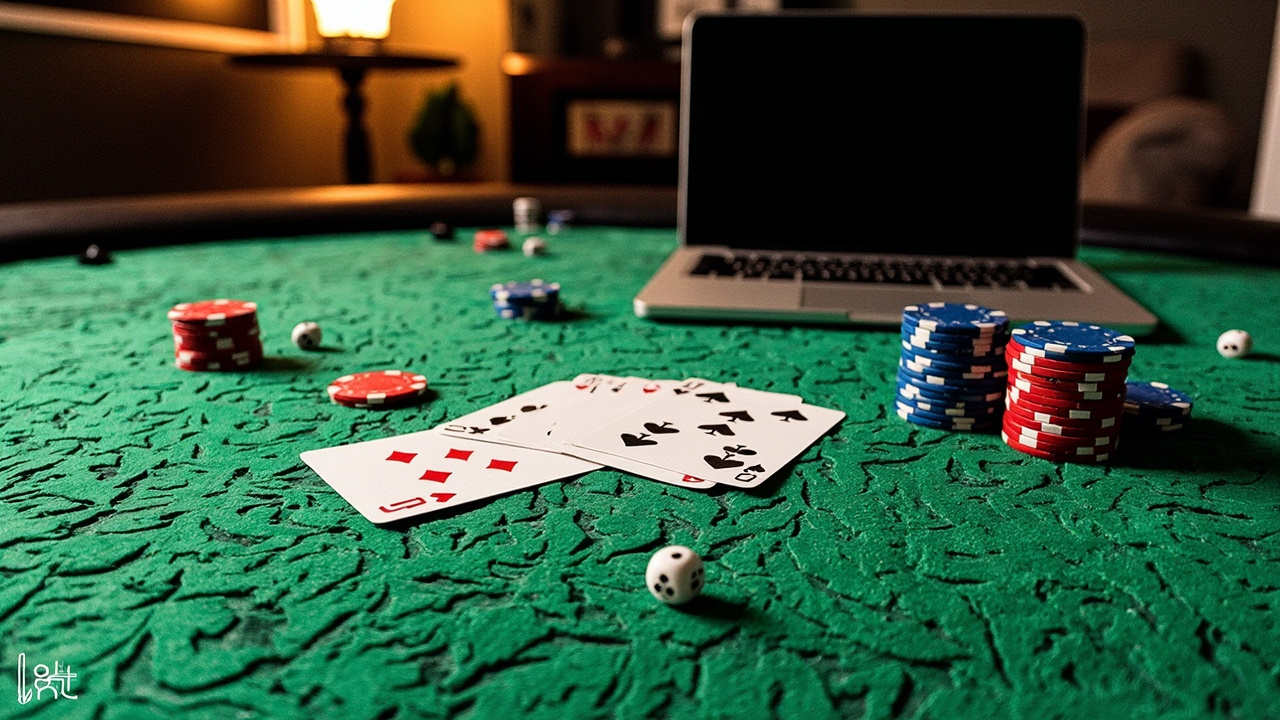
There’s a bit of magic in watching the cards turn over without a single dollar riding on the outcome. You get to focus on the mechanics, track your decisions, and build a feel for when to stand, hit, or double down. It’s the same reason a bloke might test a new rig in the shed before taking it out to the farm – you want to know it handles right before you bet serious coin.
The best part is that you’re not racing against the clock or sweating over a dwindling stack. You can play at your own pace, run through dozens of hands in a sitting, and spot the little quirks that separate a casual shuffle from a properly tuned game. When you’ve got the basics locked все параметры in, you’ll notice the difference between a rushed session and one where you’re actually reading the table.
For those who like to tinker with strategy, the free environment is a proper testing ground. You can try out different approaches, see how the dealer’s up card changes your play, and learn when the odds shift in your favour. It’s a low-stakes classroom, and the tuition is free if you know where to look.21bit casino free chip
Why Aussie Punters Are Switching to Virtual Tables
The local scene has gone proper digital, with more players logging on from the suburbs than ever before. You don’t need to hop on a plane to the Gold Coast or drive out to a regional club to get a proper session in. A quick tap on your phone and you’re seated at a table that runs just as smooth as the ones you’d find in a brick-and-mortar venue.
State regulations have also shaped the way operators roll out their games, making sure everything stays above board while still giving punters a fair go. You’ll find platforms that cater to different states, each one tuned to the local rules and payment habits. It’s a far cry from the old days when you had to rely on a mate’s shaky deck and a packet of Tim Tams to keep the game going.
The convenience factor can’t be overstated. You can squeeze in a few hands between meetings, play while the kids are asleep, or even test a new strategy during your lunch break at the office. No travel, no dress code, and no worrying about whether the dealer’s going to throw you a curveball when you’re already on a tight budget.
How to Get Started Without Spending a Dime
Jumping into a demo table is dead simple, but there’s a bit of know-how that helps you make the most of it. First off, pick a platform that’s properly licensed and runs a clean, well-tested interface. You want the cards to deal fair and the software to behave, not some sketchy setup that leaves you questioning the whole thing.
Once you’re in, take a moment to get familiar with the layout. The buttons might sit in different spots depending on the operator, and you’ll want to know where the double-down and split options live before you’re mid-hand. It’s the sort of thing you pick up quick, but a minute of poking around saves you from fumbling when the action gets busy.
If you’re after a bit of extra runway, some sites offer a starting boost that lets you play longer without dipping into your own pocket. You can grab a 21bit casino free chip and stretch your practice session across a few more rounds, which is handy when you’re trying to work out whether a particular approach holds water. Just remember it’s still a demo, so treat it as a learning tool rather than a shortcut to the jackpot.
What the Experts Say About Practice Play
The folks who watch the industry up close reckon demo play has its place, especially for players who want to build confidence before they put money on the table. Isla Foster, Customer Experience Lead, Wattle Gaming Partners, puts it like this: “Free play is a brilliant way to get comfortable with the rhythm of the game, but it’s important to remember that the real-money environment moves a bit faster and brings its own set of decisions.” She’s got a point – once the stakes are live, you’re making choices under a different kind of pressure, and that changes how you read the table.
Georgia Johnson, Gaming Technology Consultant, Top End Gaming Advisory, sees the tech side of it and notes that the software behind demo tables has come a long way.”Modern demo platforms run the same core mechanics as the paid versions, so you’re getting a fair representation of how the game behaves, which makes them a solid training ground for new players.” That’s reassuring if you’ve ever wondered whether the free version is just a watered-down copy. It’s not – it’s the same engine, just without the wallet on the line.
Both of them agree that the real value comes from using the free space to build habits, not just to pass the time. You want to walk away with a clearer sense of when to play tight, when to take a risk, and how the dealer’s card shapes your next move. That kind of groundwork pays off when you eventually switch to a live table.
Reading the Odds Without the Pressure
One of the biggest perks of playing for nothing is that you can slow down and actually think about the numbers. You’ve got the time to work out what the deck is telling you, track how the shoe is running, and see whether your instincts line up with the maths. It’s a proper chance to sharpen your eye without the heat of a real bet hanging over your shoulder.
If you’re the sort who likes to dig into strategy, you’ll find that free play lets you test the edges without blowing up your bankroll. A skilled counter might gain a long-run edge of around 1% or less, and while that’s a thin margin, it’s enough to matter when you’re playing hundreds of hands. You won’t spot that sort of nuance in a single session, but over time you start to see where the small advantages stack up.
The trick is to treat each hand like a data point, not just a win or a loss. You’ll notice patterns in how the dealer busts, how often certain totals turn up, and where your own decisions line up with the optimal play. That kind of observation is hard to get when you’re watching every dollar, but it’s right there when you’re playing for free.
Where to Find Legit Free Tables Down Under
Not every site that offers a demo is worth your time, so it pays to stick with operators that have a proper licence and a track record in the Aussie market. You want a platform that’s transparent about its rules, runs a clean interface, and doesn’t try to sneak in hidden catches when you’re just looking to practise. The good ones make it easy to jump in and get straight to the action.
Some of the bigger players in the local space have built their reputations on smooth gameplay and proper customer support, and you’ll find names like Joe Fortune sitting near the top of the comparison table when you’re weighing up your options. It’s worth checking a few of them out, reading the fine print, and seeing which one gives you the cleanest demo experience without any gimmicks getting in the way.
You’ll also find forums and community boards where regulars swap tips on which platforms run the tightest software and which ones feel a bit clunky. If you’ve ever browsed a tech discussion board like the MacRumors forums, you’ll know the drill – people share honest impressions, point out the quirks, and help you sort the solid options from the duds. That kind of crowd-sourced intel is handy when you’re trying to pick a place to practise.
Making the Jump to Real Money the Smart Way
Once you’ve put in a few sessions and feel like you’ve got a handle on the flow, the step up to real money doesn’t have to be a leap into the dark. You can start small, keep your bets modest, and treat the first live hands as an extension of your practice rather than a shot at a windfall. That mindset keeps things steady and stops you from getting carried away when the cards start running hot.
It also helps to set yourself a clear limit before you sit down, whether that’s a time cap or a budget you’re comfortable losing. The game’s meant to be a bit of fun, not a second job, and the players who last are the ones who know when to call it a night. You’ll sleep better and come back fresh for the next session, which is where the real enjoyment lives.
If you’ve used the free tables well, you’ll walk into the live game with a clearer head and a better sense of your own style. You’ll know when to push, when to fold, and how to keep your cool when the deck turns against you. That’s the sort of groundwork that turns a casual punter into someone who plays with purpose, and it all starts with a few hands that don’t cost a thing.Forums